

 English
 Danish
 French
 Swedish
 Vietnamese
 Spanish
 German
 Polish
 English


How does loose housing support sow welfare and efficient pig production?
Why loose housing has become an important part of modern sow production
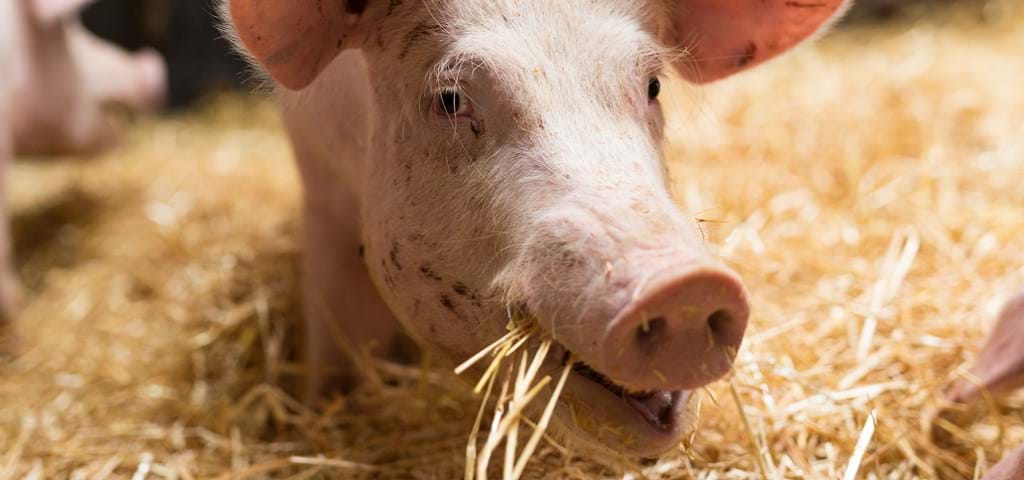
Loose housing allows sows to move more freely and interact with other pigs during the gestation period. Compared with continuous confinement, group housing gives sows greater freedom of movement and more opportunity to express natural behaviours.
In the EU, pregnant sows are required to be kept in groups during part of their pregnancy, with some exceptions. The European Commission describes this as an important improvement in sow welfare.
However, simply removing individual stalls does not guarantee good welfare.
The design of the housing system and the way the group is managed are crucial.
So, what should be considered when designing a good loose housing system for sows?
Freedom of movement and natural behaviour
Sows are social animals. When housed in groups, they can move around, interact with other sows and choose where to rest, feed and drink.
The EU legislation recognises that pigs benefit from an environment that allows exercise and investigatory behaviour, and that continuous close confinement restricts the welfare of sows.
Good loose housing should therefore provide:
- Sufficient space for movement
- Clearly defined resting and activity areas
- Easy access to feed and water
- Appropriate flooring
- Opportunities for rooting and other natural behaviours
- Areas where sows can rest without unnecessary disturbance
The objective is not simply to provide more space, but to design the space so that the animals can use it effectively.
Group management matters
When sows are housed together, social interaction also creates challenges.
Mixing animals can result in aggression while a new hierarchy is established. This is particularly relevant for gilts and young sows.
Research and practical experience from SEGES Innovation highlight the importance of group structure. Stable groups can reduce the number of repeated ranking conflicts, while dynamic groups may involve more frequent disruption of the social hierarchy.
This means that group size, group stability and the way animals are introduced into the group should be considered when designing the housing system.
Good management can help reduce unnecessary stress and injuries.
Feeding is a key part of loose housing
Feeding sows in groups requires careful consideration because animals have different nutritional needs and social status.
If all animals have to compete for access to feed, stronger or more dominant sows may have an advantage. This can make it more difficult to maintain an even body condition across the group.
Different feeding systems can be used in loose housing, including individual feeding systems and feeding stalls.
Electronic sow feeding (ESF) can provide individual feeding within a group-housed system, allowing feed allocation to be adjusted to the needs of each sow.
This can support more precise feeding while allowing the animals to remain loose in groups.
SEGES Innovation has also highlighted the importance of group structure and feeding management in loose housing systems, including the advantages of stable groups and possibilities for more individualised feeding.
Flooring and leg health
Floor design is another important factor.
Sows need a floor that provides sufficient grip and is suitable for standing, walking and resting. Poor flooring conditions can increase the risk of slipping, injuries and problems with legs and claws.
SEGES Innovation identifies leg and claw health as an important factor in sow longevity. It also points out that grouping can increase the risk of injuries, particularly during the establishment of social hierarchy.
Earlier Danish research into housing systems for loose sows also found differences in leg problems between different floor systems, underlining the importance of considering flooring as part of the overall housing design.
A good loose housing system therefore needs to balance:
animal movement + grip + hygiene + drainage + comfort
Space should support good flow
More space alone does not necessarily result in better housing.
The layout of the pen should allow sows to move between feeding, resting, drinking and activity areas without creating unnecessary congestion.
Clear separation between functional areas can help the animals use the pen naturally and can also make daily work easier for the farmer.
The location of feeding equipment, gates, drinking points and resting areas should therefore be considered together rather than as individual elements.
This is particularly important in larger groups, where poor layout can make it more difficult to observe individual animals and intervene when necessary.
Hygiene still matters in loose housing
Loose housing must also be designed with hygiene in mind.
The pen should make it possible to maintain clean resting areas while allowing manure and urine to be separated from areas where sows lie.
Good flooring, drainage and manure handling can help keep the environment clean and reduce the amount of work required for daily management.
This links closely to another important part of pig production: infection prevention.
Good hygiene, cleaning and drying routines remain essential regardless of whether sows are housed individually or in groups.
Loose housing and daily management
A well-designed loose housing system should support both animal welfare and efficient farm management.
Farm staff still need to be able to:
- Observe individual sows
- Identify animals that require attention
- Move and separate animals when necessary
- Carry out vaccination and other routine procedures
- Monitor body condition
- Adjust feeding where required
- Maintain clean and functional pens
This is where good housing design makes a real difference.
The best systems are not designed only around the animals or only around the farmer. They are designed to make animal needs and daily management work together.
What makes a good loose housing system?
There is no single loose housing system that is right for every farm.
The best solution depends on factors such as herd size, feeding strategy, group structure, available space, labour, existing buildings and future production plans.
However, several principles are common:
- Design for movement and behaviour
Provide sufficient space and clearly defined areas for resting, feeding and activity. - Manage groups carefully
Consider group size, stability and how animals are introduced. - Make feeding precise
Ensure that all sows receive the nutrition they need without unnecessary competition. - Protect leg and claw health
Choose flooring and pen layouts that provide good grip, comfort and hygiene. - Design for efficient management
Make it easy to observe, handle and move individual animals when necessary.
Loose housing is about more than animal welfare
Loose housing is an important part of modern sow production, but its success depends on the complete system.
When housing, feeding, flooring, hygiene and management are designed to work together, loose housing can provide greater freedom of movement while supporting efficient daily management.
For the farmer, the goal is therefore not simply to keep sows loose.
The goal is to create a housing system where animal welfare, health, feeding and efficient production support each other.
Designing the right solution
At SKIOLD, we believe pig housing should be designed around the complete production flow rather than individual products.
From penning and flooring to feeding, climate and digital management, each element needs to work together to create a functional environment for both pigs and people.
Whether building a new sow unit or renovating an existing facility, careful planning of the layout and production system can make a significant difference to the long-term performance of the farm.
Good sow housing starts with good design.
Contact SKIOLD
Need to know more about designing the optimal house for loose sows?
Contact us today for a non-binding conversation about how the design of pig housing and the choice of equipment can support efficient and healthy pig production.
👉 Contact SKIOLD | Find dealers and locations
Read more about our pig farm solutions:
Explore SKIOLD's complete solutions for modern pig production, including penning, feeding, climate and digital management.
👉 Pig Farm Solutions | SKIOLD
Follow us and get inspired on social media:
😊 Facebook LinkedIn
Sources and further reading
SEGES Innovation – Hoof and leg problems in sows
SEGES Innovation – Hoof and leg problems in sows
SEGES Innovation – Gestation housing for loose-housed sows
SEGES Innovation – Gestation housing and feeding of loose-housed sows
European Commission – Pig welfare and EU legislation
European Commission – Pigs and animal welfare legislation
EUR-Lex – Council Directive 2008/120/EC
EUR-Lex – Council Directive 2008/120/EC on the protection of pigs
Teagasc – Improving gestation housing for sows
Teagasc – Improving gestation housing for sows benefits piglets


